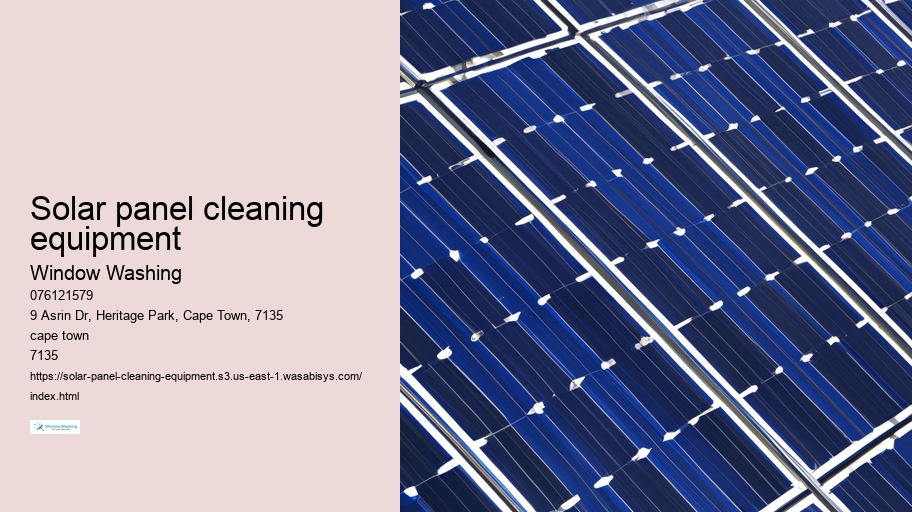
Maintaining clean solar panels is crucial for ensuring their optimal performance. Over time, dust, pollen, bird droppings, and other debris can accumulate on the surface of solar panels. This accumulation can block sunlight from reaching the photovoltaic cells within the panels, thereby reducing their energy conversion efficiency.
When solar panels are dirty, they cannot absorb sunlight as effectively as they do when clean. This reduced absorption leads to a decrease in electrical output and thus diminishes the overall efficiency of the solar power system. For instance, studies have shown that dirty solar panels can suffer from a 20% reduction or more in energy output compared to clean ones.
rotating solar panel cleaning machine . The role of regular cleaning in maintaining panel efficiency cannot be overstated. By removing obstructions that prevent maximum sunlight exposure, we ensure that our investment in renewable energy yields its intended benefits. The frequency of cleaning depends on several factors including geographic location, climate conditions, and the angle at which the panels are installed.
Moreover, having a regular maintenance schedule for cleaning solar panels also helps in prolonging their lifespan. Dust particles and other types of soiling can cause micro-scratches over time if not removed properly. These scratches may eventually lead to more significant damage and potentially reduce the operational life of the panels.
Solar panel cleaning equipment plays an essential role in this maintenance routine. There are manual tools such as brushes and squeegees designed specifically for cleaning solar panels without damaging them. For larger installations or hard-to-reach areas, automated cleaning systems like robotic cleaners or water jets provide efficient solutions while minimizing labor costs.
Investing in appropriate cleaning equipment is wise because it ensures that your solar panel array remains as productive as possible throughout its service life. Additionally, by using tools designed specifically for this purpose, one reduces the risk of inadvertently causing damage during the cleaning process—a common concern when using improvised methods or inappropriate tools.
In conclusion, keeping solar panels clean is an integral aspect of managing a successful solar power system. Regularly removing dirt and debris enhances energy production efficiency and extends panel longevity—benefits that ultimately translate into better return on investment for those harnessing the sun's power.
Solar panels, the harbingers of sustainable energy, require regular maintenance to ensure they function at their peak efficiency. Over time, dust, dirt, and other environmental detritus accumulate on the surface of these panels, impeding their ability to harness sunlight effectively. This is where solar panel cleaning equipment comes into play.
At the more basic end of the spectrum lies manual cleaning tools. These include simple implements such as brushes with soft bristles that prevent scratching the delicate surfaces of the solar cells. Telescopic poles can be attached to these brushes to extend reach and facilitate cleaning without necessitating a ladder for rooftop installations.
Water-fed pole systems represent an advancement in manual cleaning technology. They combine a brush head with a water system that allows for simultaneous scrubbing and rinsing action. The water used is often deionized or demineralized to avoid leaving residue or streaks on the panel after drying.
Moving towards automation, there are robotic solar panel cleaners designed specifically for large-scale operations like utility solar farms. These robots glide across rows of solar panels, systematically wiping away grime using microfiber brushes or rubber squeegees while ensuring minimal abrasion. Some models are equipped with sensors and intelligent programming to navigate around obstacles and perform comprehensive cleans autonomously.
For areas prone to heavy soiling or those requiring more frequent cleanings due to local conditions (like bird droppings or excessive pollen), automated sprayer systems may be installed. These systems periodically spray either water or a specialized cleaning solution across the panels' surfaces which then gets wiped off by built-in mechanical elements or simply slides off due to gravity aided by the angle of installation.
In regions where water scarcity poses a challenge, dry-cleaning solutions have been developed that use electrostatic charge or air jets to remove dust without moisture—minimizing water usage while still maintaining cleanliness levels conducive to optimal photovoltaic performance.
Scaling up further in sophistication are drone-based cleaning systems that utilize high-pressure air or liquid sprays delivered from above via unmanned aerial vehicles (UAVs). This innovative approach reduces labor costs and increases safety by limiting human involvement in high-altitude work scenarios.
Lastly, preventive coatings can be applied directly onto the solar panels during manufacturing or post-installation as part of regular maintenance procedures. These coatings aim to reduce surface adhesion properties so that dirt finds it harder to stick in the first place—making subsequent cleanings easier and less frequent.
The varied landscape of solar panel cleaning equipment demonstrates an industry response not only geared towards maximizing energy output but also towards addressing practical challenges associated with keeping thousands upon thousands of square meters of photovoltaic surface area clean across diverse climates and environments—all integral parts in harnessing our sun’s boundless power cleanly and efficiently.
Manual cleaning tools for solar panel maintenance are essential for ensuring the longevity and efficiency of these energy-harvesting devices. Unlike automated solutions, manual methods rely on human involvement and physical effort to remove dust, dirt, bird droppings, and other debris that can obscure the panels' surfaces.
Among the simplest yet most effective instruments in one's arsenal is the squeegee. Typically associated with window washing, this tool adapts seamlessly to solar panel care. Its rubber blade glides across glass surfaces, pushing water and grime away without leaving scratches or residue behind. However, when employing a squeegee on elevated or rooftop panels, safety must be paramount; a secure ladder and fall protection measures are non-negotiable prerequisites.
Another indispensable item is a soft-bristled brush—preferably one with an extendable handle to reach distant corners of each panel. The bristles dislodge stubborn contaminants gently enough not to damage the delicate photovoltaic cells beneath but firmly enough to ensure thorough cleansing.
For those hard-to-remove spots where dry bird droppings or caked-on dirt resists initial efforts, a plastic scraper comes in handy. It should be used sparingly and with caution as it poses a risk of scratching if not handled delicately.
Additionally, no manual cleaning kit would be complete without buckets and cloths. Microfiber cloths particularly excel at attracting dust particles while minimizing the chance of scratching sensitive surfaces. Paired with soapy water or an appropriate cleaning solution—mindful always of using chemicals that won't harm the solar panels nor corrode their frames—these fabrics can wipe away remaining impurities after scrubbing.
Lastly, there are hose-end sprayers which attach directly to garden hoses providing a gentle stream of water that rinses away loose dirt without necessitating high pressure that could potentially damage solar equipment.
In conclusion, while less technologically advanced than their robotic counterparts, manual cleaning tools remain vital components for maintaining solar panels effectively. Their proper use ensures optimal performance from our clean energy installations while safeguarding against potential damages caused by neglect or improper handling during routine cleaning processes.
In the realm of solar panel maintenance, brushes and squeegees stand as pivotal tools, each with distinct roles. Brushes, crafted with bristles of various stiffness levels, are adept at loosening dirt and debris that cling to the delicate surfaces of solar panels. Soft-bristled brushes are especially beneficial as they clean without scratching or damaging the photovoltaic cells.
Squeegees follow suit by removing excess water after cleaning, thereby minimizing streaks and water spots which can obstruct sunlight penetration and reduce efficiency. The rubber blade of a squeegee glides across the surface, creating a seal that pulls water away, leaving behind a dry and clear panel.
Tackling different types of grime necessitates specific brush types. For instance, a brush with harder bristles might be employed to scrub away bird droppings or caked-on dirt. Conversely, when dealing with dusty panels or light soiling, a softer brush would suffice for gentle cleansing that preserves the integrity of the panels.
Furthermore, telescopic handles often accompany these cleaning implements. This feature allows users to reach high-mounted panels safely from the ground. Ergonomic design considerations also play into handle construction to prevent user fatigue during extensive cleaning sessions.
In conclusion, understanding the nuances between brushes and squeegees is crucial for effective solar panel care. Selecting the appropriate type ensures maximal cleanliness while protecting one's investment in green energy production from potential damage due to improper handling or abrasive materials. Ultimately, regular use of these tools contributes significantly to maintaining peak performance for solar installations over time.
Telescopic poles, integral to solar panel maintenance, are a clever invention that enables cleaners to access and cleanse panels situated at challenging heights. These extendable tools not only enhance efficiency but also ensure safety by reducing the need for ladders or scaffolding which can pose risks of falls or injuries.
The design of telescopic poles is quite ingenious. Typically made from lightweight materials like aluminum or fiberglass, they can reach lengths varying from a few feet to over 30 feet with ease. This adjustability allows workers to tailor the pole's length according to the height and angle required for optimal cleaning.
At one end of these poles is usually a cleaning attachment such as a brush or squeegee, designed specifically for dislodging dirt and grime from solar panels without causing damage. The soft bristles glide across the glass surfaces, sweeping away accumulated debris effectively while ensuring the delicate cells remain unscathed.
Moreover, some telescopic poles incorporate water-fed systems that pump purified water through the pole to the cleaning head. This feature eliminates impurities commonly found in tap water that could leave streaks or deposits on panels after drying. As a result, it ensures maximum light penetration and maintains peak energy efficiency for solar arrays.
In conclusion, telescopic poles are an essential piece of equipment for maintaining clean solar panels. They offer convenience, safety, and effectiveness all rolled into one tool—making them an ideal solution for those hard-to-reach surfaces that require regular attention to ensure uninterrupted power generation from our ever-important sun.
Ensuring safety during manual solar panel cleaning is paramount for the well-being of workers tasked with maintaining these energy capturing devices. Solar panels, typically installed on rooftops or in large outdoor arrays, require regular cleaning to maintain efficiency and output. However, the process can pose several risks, including falls, electrical hazards, and exposure to harsh cleaning chemicals.
To mitigate these dangers, protective equipment is essential. Firstly, fall protection gear such as harnesses, lanyards, and anchorage points are critical when working at height. These items must be robust and compliant with safety standards to prevent potentially fatal accidents.
Electrical safety is another concern; insulating gloves should be worn to protect against electric shocks from the photovoltaic cells. Moreover, non-conductive tools are a necessity when performing maintenance tasks on or near solar panels.
When dealing with cleaning solutions or detergents that could irritate skin or eyes, workers should wear protective gloves resistant to chemicals. Safety goggles or face shields provide necessary eye protection from splashes and help avoid long-term ocular damage.
Additionally, proper footwear designed for grip can prevent slips on wet surfaces—a common hazard during the washing process. These shoes should also have puncture-resistant soles to safeguard against sharp objects like metal shards or screws that might be present on roofs or installation sites.
In summary, while manual solar panel cleaning is an essential task in preserving solar power's efficacy, it comes with inherent risks that must be carefully managed through the use of appropriate protective gear. By investing in quality safety equipment and adhering to strict protocols, we can ensure that those responsible for this important work are shielded from harm's way as they contribute to our sustainable energy future.
Automated cleaning systems for solar panel maintenance are rapidly becoming a staple in the renewable energy sector, offering an efficient and cost-effective way to ensure that solar panels operate at optimal efficiency. These systems harness advanced technology to remove dirt, dust, and other debris that can accumulate on the surface of solar panels, which would otherwise reduce their performance and energy output.
Traditionally, the cleaning of solar panels was conducted manually—a labor-intensive process requiring workers to meticulously wipe each panel with sponges or cloths. This method is not only time-consuming but also carries the risk of damaging the delicate photovoltaic cells. Furthermore, manual cleaning often demands vast amounts of water, posing ecological concerns in arid regions where water resources may be scarce.
The advent of automated cleaning systems has revolutionized this task. These innovative solutions deploy robotic devices equipped with brushes or air jets designed to traverse the surfaces of solar arrays gently yet effectively. Some systems also employ ultrasonic waves or electrostatic technology to dislodge particulates without any physical contact with the panels.
One significant advantage of automated systems is their ability to clean without direct human intervention. Programmed through sophisticated algorithms, these robots can perform regular cleanings at predetermined intervals or respond adaptively based on environmental sensors detecting levels of soiling on the panels. This responsive approach ensures that cleanliness is maintained without wasting resources when it isn't necessary.
Moreover, automated cleaners drastically reduce water usage—a critical consideration in many parts of the world where water conservation is paramount. Dry-cleaning methods like those using air jets or microfiber tech avoid water entirely while still providing a high degree of cleanliness.
As investment in renewable energies continues to grow, maintaining efficient energy production becomes increasingly important. Automated cleaning technologies stand as a testament to innovation within this space—saving time and money while also promoting sustainability and maximizing potential energy yield from our sun's boundless power.
In conclusion, automated cleaning systems represent a leap forward for solar panel upkeep. By leveraging modern technology's prowess, they offer an elegant solution to a formerly daunting challenge—keeping vast fields of solar collectors pristine without undue strain on human labor or natural resources. As our reliance on sustainable power sources intensifies, such innovations will play a crucial role in securing a greener future for all.
Robotic cleaners and automated solutions for solar panel cleaning equipment represent a significant advancement in maintaining the efficiency of solar energy systems. The accumulation of dust, debris, and other particulate matter on the surface of solar panels can lead to a decrease in energy production by blocking sunlight from reaching the photovoltaic cells.
Traditional cleaning methods require manual labor, which is time-consuming, costly, and potentially hazardous for workers who must navigate slippery surfaces at heights. In contrast, robotic cleaners offer a safer and more efficient alternative. These autonomous machines are designed to traverse the rows of solar panels with precision, using brushes or microfiber cloths to gently remove dirt without damaging the delicate surfaces.
Some robotic cleaning systems are equipped with water jets that apply a minimal amount of water to dissolve stubborn grime. This feature is particularly important in arid regions where water conservation is essential. Moreover, these robots often come with smart sensors that detect the level of soiling and optimize their cleaning path accordingly.
Another key aspect of these automated solutions is their ability to operate autonomously or be remotely controlled. They can work during low-light hours when solar panels are not actively generating power, thus avoiding any disruption in electricity production.
The integration of IoT technology also allows for real-time monitoring and data collection regarding the performance and maintenance schedule of the cleaning equipment. This ensures that operators can anticipate potential issues before they escalate into larger problems that could affect energy output.
In summary, robotic cleaners and automated solutions provide an innovative approach to preserving solar panel efficiency through regular maintenance while minimizing water usage and human intervention. Their adoption not only helps maintain peak functionality but also contributes to making renewable energy sources like solar power more sustainable and cost-effective in the long run.
The introduction of automated systems for solar panel cleaning has revolutionized maintenance in the renewable energy sector. Unlike manual cleaning, which is labor-intensive and often inconsistent, automated solutions offer a host of advantages that not only improve efficiency but also enhance the longevity and performance of solar installations.
Firstly, automation ensures precise and regular cleaning schedules. Manual methods depend on human availability and can be irregular, leading to suboptimal solar energy capture. In contrast, automated systems operate with unwavering consistency, ensuring panels are cleaned at optimal intervals to maintain maximum energy output.
Safety is another significant benefit. Cleaning panels manually involves risks such as falls from height or electric shock. Automated equipment minimizes these dangers by removing the need for human cleaners to physically interact with the panels.
In addition, automated systems can lead to substantial water savings compared to manual methods which often involve copious amounts of water. Many automated cleaning technologies utilize advanced mechanisms like air blowers or microfiber brushes that either reduce or completely negate the need for water.
Moreover, automation reduces wear and tear on panels. Manual cleaning can inadvertently scratch surfaces or dislodge electrical connections if not done carefully. Automated tools are designed to gently clean without causing damage, thus preserving the integrity of the panels over time.
Lastly, while the upfront cost of an automated system may be higher than manual techniques, it proves more economical in the long run due to reduced labor costs and increased production efficiency through well-maintained clean surfaces that maximize light absorption.
In conclusion, transitioning from manual methods to automated solar panel cleaning equipment presents numerous benefits including consistent cleanliness levels, improved safety conditions for workers, conservation of resources like water, reduction in potential panel damage, and overall financial savings through enhanced efficiency and lower long-term operational costs. As such investments continue to proliferate within the industry landscape they will undoubtedly play a pivotal role in sustaining eco-friendly energy solutions across our increasingly green-conscious globe.
Water-based cleaning equipment designed for solar panels is a sustainable and efficient solution for maintaining the optimal performance of these energy-generating systems. These tools utilize the natural cleaning power of water, eliminating the need for harsh chemicals that can damage delicate photovoltaic cells or harm the environment.
By harnessing the simplicity of water, such equipment facilitates a gentle yet effective cleansing process. Nozzles and sprayers are commonly incorporated to distribute water evenly across panel surfaces, dislodging dirt, dust, and bird droppings that can obstruct sunlight absorption. The flow rate and pressure of these devices are meticulously calibrated to cleanse without inflicting any abrasion or stress on the solar modules.
Moreover, innovative configurations often include automated robotic systems that glide over rows of panels with precision. These robots optimize water usage by targeting specific areas in need of cleaning, reducing waste while ensuring thorough coverage. Their autonomous nature also minimizes human labor and safety risks associated with manual washing methods.
Periodic maintenance using water-based cleaning equipment is vital to sustain high energy production rates from solar installations. By preserving transparency in glass surfaces, photons can freely penetrate and excite electrons within silicon cells—this process being central to electricity generation in standard photovoltaic arrays.
In addition to their immediate functional benefits, these eco-friendly technologies underscore a commitment to environmental stewardship inherent in the ethos of renewable energy proponents. Water-based systems exemplify an alignment between method and mission: clean energy supported by clean maintenance techniques.
Collectively, this category of solar panel cleaning apparatus presents a harmonious blend of efficacy, conservationism, and safety—a trio essential for advancing green technology's role in our global shift toward more sustainable living practices.
High-pressure washers are a popular choice for cleaning solar panels due to their efficiency and effectiveness in removing dirt, dust, and bird droppings. However, using them requires careful consideration of both their features and the necessary precautions to avoid damage to the panels.
Features of high-pressure washers include adjustable pressure settings, which allow users to set the right level of force for different surfaces. This is particularly important for solar panels, as too much pressure can crack or scratch the delicate photovoltaic cells. Additionally, these washers often come with various nozzles that can disperse water at different angles, providing thorough coverage and ensuring that all areas of the panel are cleaned.
One key feature that enhances safety is the inclusion of a pressure regulator. This device ensures consistent output, preventing sudden spikes in water pressure that could harm the solar panels. Some models also offer automatic shutoff systems in case of malfunction or overheating, further protecting both the user and the equipment being cleaned.
Precautions when using high-pressure washers on solar panels cannot be overstated. Firstly, it's crucial to follow manufacturer guidelines regarding distance; typically, keeping the nozzle at least a few feet away from the surface prevents accidental damage. It's also advisable to use a low-pressure setting initially and increase it incrementally as needed.
Personal protective equipment (PPE) such as goggles and gloves should be worn during operation to protect against accidental sprays or ricochets. Electrical safety is another concern; since water conducts electricity, care must be taken to ensure that all electrical connections related to the solar panel system are properly insulated before beginning any cleaning process.
Environmental considerations should also be made when using high-pressure washers for cleaning solar panels. Reclaimed or recycled water can be utilized instead of fresh water to conserve resources. Moreover, detergents or cleaning solutions used should be eco-friendly and non-abrasive so as not to harm surrounding vegetation or leave harmful residues on the panels.
In conclusion, while high-pressure washers can streamline solar panel maintenance significantly, they must be used with attention to detail concerning both their capabilities and inherent risks. By respecting these tools' power and observing stringent precautions during their use—ranging from proper handling techniques to environmental awareness—it's possible to keep solar installations clean and efficient without compromising their integrity or longevity.
When it comes to maintaining the optimal performance of solar panels, cleanliness is paramount. Dirt, dust, and bird droppings can significantly reduce a solar panel's efficiency by blocking sunlight from reaching the photovoltaic cells. Thus, ensuring that these renewable energy sources are kept clean is essential for maximizing their energy output and lifespan. One of the most effective methods for achieving spot-free cleaning is through the use of deionized water systems.
Deionized water has been purified to remove minerals and salts that would typically leave residues or spots when evaporated. This characteristic makes it an ideal agent for washing solar panels because it ensures that no traces are left behind that could obstruct sunlight penetration once the cleaning process is complete.
The process of deionization involves passing water through ion-exchange resins that replace mineral ions with hydrogen and hydroxide ions. These new ions then recombine to form pure water (H2O), which is free from impurities that could cause spotting or streaking on cleaned surfaces.
For large-scale solar farms or even residential installations, using deionized water systems can be both time-efficient and cost-effective. Since there's no need for detergents or additional rinsing agents, labor costs and environmental impact are minimized while still providing excellent results.
These specialized cleaning systems often come in mobile units equipped with long hoses and adjustable brushes designed specifically for solar panels' delicate surfaces. The gentle but thorough cleansing action provided by soft-bristled brushes combined with spotless rinse ensures that any accumulated grime is safely removed without causing micro-scratches or damage to the panel's protective coating.
In conclusion, employing deionized water systems in the maintenance routine of your solar panels not only preserves their condition but also enhances their productivity over time. By incorporating such advanced cleaning techniques, we ensure a sustainable future where our reliance on clean energy continues to grow without compromising efficiency due to lackluster maintenance practices.
When it comes to maintaining the efficiency and longevity of solar panels, cleanliness plays a pivotal role. Dust, debris, bird droppings, and other substances can accumulate on the surface of solar panels, obstructing sunlight and reducing their energy output. In response to this challenge, there has been a growing emphasis on developing eco-friendly and chemical-free solutions for cleaning solar panels.
Traditionally, cleaning procedures might involve harsh chemicals that could harm the environment or even damage the solar panel's protective coatings. However, with heightened environmental awareness and technological innovations, more sustainable methods have emerged.
One such advancement is the use of automated robotic cleaners that require minimal water usage. These robots are designed to gently glide across the surface of solar panels with soft brushes or microfiber cloths. They eliminate grime without scratching or compromising the integrity of the panels. Being autonomous, they reduce labor costs and also negate the need for human cleaners to be exposed to potentially harmful chemical agents.
Another method gaining traction is employing purified water systems that use deionized water for cleaning. This type of water has had its mineral ions removed, ensuring that when it evaporates it does not leave behind residue or deposits that could interfere with panel efficiency.
Additionally, some companies have developed biodegradable cleaning fluids made from plant-based ingredients which are non-toxic and safe for both wildlife and humans—exemplifying an eco-conscious approach towards solar panel maintenance.
While these advancements represent significant progress in promoting sustainability within the realm of solar power generation, ongoing research continues to enhance these technologies' effectiveness while minimizing their environmental footprint further.
The shift toward eco-friendly and chemical-free solutions in solar panel cleaning equipment demonstrates a conscientious move towards preserving our planet’s health while harnessing clean energy efficiently. It underscores a collective commitment to innovation that prioritizes ecological well-being alongside technological advancement—a balance crucial for sustainable development in our ever-evolving world.
The integration of microfiber fabrics and eco-friendly solvents in the upkeep of photovoltaic modules epitomizes a leap towards sustainable and efficient solar power generation. Solar panels, the silent stalwarts of renewable energy, are exposed to the elements, collecting dust, debris, and bird droppings that can significantly diminish their performance. To counteract this, regular cleaning is paramount.
Traditionally, solar panel maintenance has relied on an assortment of tools and chemicals that may not always align with environmental stewardship principles. However, as we pivot towards greener methodologies, microfiber cloths have emerged as an invaluable asset in the solar maintenance toolkit.
Microfiber cloths boast a high-tech design composed of ultrafine fibers which are adept at trapping dirt particles without leaving scratches or residues on the delicate surfaces of solar panels. These cloths can clean effectively with minimal water usage—a boon for conserving resources and reducing runoff pollution.
Paired with natural solvents—substances derived from plant-based sources or other biodegradable materials—the use of microfiber technology ensures a gentle yet thorough cleansing process that safeguards both the integrity of the solar panels and the well-being of our planet's ecosystems. Unlike harsh chemical cleaners that may corrode panel surfaces or harm surrounding vegetation and wildlife upon disposal, natural solvents offer a harmonious balance between cleanliness and conservation.
The synergy between advanced microfibers and green chemistry represents a nuanced approach to maintaining solar installations. It not only enhances longevity by mitigating wear but also reflects a broader commitment to environmentally mindful practices within the clean energy sector.
In summary, embracing microfiber cloths alongside natural solvents is more than just an upgrade in cleaning equipment; it is a testament to our evolving ethos where efficiency meets ecology in every swipe across the sun-soaked surfaces of our future's energy providers.
The maintenance of solar panels is a critical component in ensuring their efficacy and longevity. Clean panels capture sunlight more efficiently, leading to higher energy output and better overall performance. However, the approach taken to clean these delicate structures must be carefully considered.
When selecting cleaning equipment for solar panels, it's paramount to avoid harsh chemicals that could compromise the integrity of the panels or have detrimental impacts on the environment. Many conventional cleaning agents contain abrasive substances or volatile organic compounds (VOCs) that can erode the protective coatings on solar cells or leach into the surrounding soil and water, causing pollution and harm to wildlife.
Employing gentle, eco-friendly alternatives not only protects your investment in solar technology but also upholds a commitment to environmental stewardship. Biodegradable soaps and mild detergents are much less likely to cause damage when used properly. Even simple tools like a soft brush or squeegee paired with deionized water can be highly effective for removing dirt without leaving residue or scratches.
Moreover, advances in robotic cleaning systems provide an automated solution that minimizes the need for manual labor and reduces the risk of damage from human error. These robots often use soft microfiber materials and employ a controlled amount of water or air pressure to lift away grime without compromising panel surfaces.
In conclusion, careful selection of solar panel cleaning equipment is vital not just for preserving the technology but also for protecting our planet. By steering clear of harsh chemicals and utilizing environmentally conscious methods, we ensure that our embrace of renewable energy sources remains responsible and sustainable over time.
The advent of green energy has revolutionized the way we contemplate our relationship with electricity and nature. Solar panels, the vanguards of this movement, are silent sentinels converting sunlight into usable power. However, these devices are not immune to the environment's whims; they accumulate dirt, dust, and debris which impedes their efficiency. This is where portable solar panel cleaners enter the equation—a critical component in maintaining optimal energy yield.
Portable solar panel cleaners represent a niche but invaluable segment within the realm of solar panel cleaning equipment. These handy devices offer an on-the-go solution for individuals needing to enhance their solar panels' performance without heavy machinery or extensive labor.
These cleaners range from simple manual tools like brushes and squeegees to more sophisticated robotic systems that glide across panel surfaces with ease. Manual options usually demand some elbow grease but allow for precise control over the cleaning process—beneficial when dealing with stubborn grime or delicate surfaces.
On the other hand, automated systems promise convenience and are particularly useful for large arrays where manual cleaning becomes impractical. These robots can be set to operate autonomously, navigating rows of panels with sensors to avoid obstructions while gently removing unwanted layers of dirt.
What makes these portable variants especially appealing is their adaptability; they are designed to be lightweight and compact so that transport and setup can be accomplished swiftly by a single individual if needed. This portability also means that remote installations—like those on RV roofs or in off-grid locations—are never beyond reach of essential maintenance.
Moreover, using water-efficient technologies such as microfiber cloths or air blowers make certain portable models environmentally friendly too. They deliver spotless results without wasting precious resources—a virtue aligned perfectly with the ethos of renewable energy proponents.
In conclusion, portable solar panel cleaners play a pivotal role in sustaining the efficacy of one’s investment into renewable energy solutions. By ensuring that each square inch of photovoltaic surface remains unobstructed by pollutants, these clever contraptions not only extend the lifespan of solar arrays but also maximize potential electricity generation—keeping green technology greener for longer periods.
Cleaning solar panels is essential for maintaining their efficiency and longevity, especially as the adoption of renewable energy sources like solar power continues to rise globally. Small-scale installations and portable solar panels are becoming increasingly popular among homeowners, RV enthusiasts, and outdoor adventurers. As these users often don't have access to professional cleaning services or large-scale cleaning equipment, compact cleaning kits have emerged as a practical solution.
Compact cleaning kits are designed with portability and ease of use in mind. These kits typically include a microfiber cloth or sponge, which is gentle on the delicate surfaces of photovoltaic cells yet effective at removing dirt, dust, pollen, and bird droppings that can accumulate on panel surfaces. The inclusion of a non-abrasive cleaning agent ensures that stubborn grime can be dissolved without damaging the protective coatings on the panels.
Many of these kits also feature telescopic poles or collapsible handles for reaching across smaller arrays without requiring additional ladders or platforms. This is particularly advantageous for those who need to clean panels installed on rooftops or integrated into mobile setups such as campers or boats.
Some compact kits go one step further by integrating water-fed systems that allow users to rinse panels after scrubbing away debris. These systems connect easily to standard garden hoses and can feature built-in filtration to prevent minerals from tap water from leaving residue on freshly cleaned surfaces.
Innovation has led to even more sophisticated features in some compact kits, like squeegees with rubber blades that help remove excess water post-cleaning for a streak-free finish. Solar panel-specific biodegradable soaps are also being developed which not only protect the environment but also facilitate quicker drying times due to their unique formulas.
The convenience factor extends beyond just functionality; many compact cleaning kits come with carrying cases or bags for easy transport and storage. This makes them ideal for individuals who might move their portable solar panel setups frequently or need to store their cleaning tools in limited spaces.
To sum up, compact cleaning kits offer an accessible way for owners of small-scale installations or portable solar panels to maintain their units efficiently. Through thoughtful design – combining gentle yet effective components with user-friendly accessories – these kits ensure that clean energy solutions remain optimal performers in diverse settings without necessitating bulky equipment or professional intervention.
In the dynamic landscape of renewable energy, solar panels stand out as a beacon of sustainable power generation. However, their efficiency hinges on their cleanliness and condition. Dust, debris, and even bird droppings can significantly diminish the productivity of these photovoltaic cells. Traditional cleaning methods often involve manual labor which is time-consuming, potentially hazardous, and not always effective for large-scale installations.
Enter drones - an innovative leap in the realm of solar panel maintenance. These unmanned aerial vehicles (UAVs) are revolutionizing the way we approach solar panel inspection and cleaning. Equipped with high-resolution cameras and sensors, drones can swiftly scan vast arrays of solar panels from above. They provide detailed imagery that identifies dirty or damaged areas that might be invisible to the naked eye from ground level.
But drones do more than just spot issues; they address them head-on with advanced cleaning equipment attached to their undercarriage. This machinery is delicately engineered to navigate over fragile solar surfaces without causing any damage. Drones can unleash gentle yet potent jets of water or air to remove accumulated grime without necessitating human climbers or cumbersome scaffolding.
Moreover, drones make it feasible to conduct regular inspections and cleanings with minimal disruption to the solar farm's operations. This proactive approach ensures peak performance and extends the lifespan of the panels by preventing long-term accumulation that could lead to permanent damage.
The integration of drone technology in solar panel maintenance also speaks volumes about safety improvements. Workers no longer need to scale heights or expose themselves to potential electrical hazards associated with close-contact cleaning routines.
Despite these advances, there are still challenges such as regulatory hurdles, initial investment costs, and ensuring thoroughness compared with manual inspections. Nonetheless, as drone technology continues evolving alongside sophisticated algorithms capable of analyzing captured data effectively, these obstacles will likely diminish.
In conclusion, drones for solar panel inspection and cleaning signify a step forward in optimizing green energy solutions' efficacy. By embracing this automated aid for an otherwise tedious task, we safeguard our investments in sustainability while bolstering safety standards—a win-win scenario for both people and planet Earth.
Advancements in drone technology have revolutionized the way we approach maintenance tasks, particularly those that are dangerous or hard to reach, like solar panel cleaning. Traditionally, solar panel maintenance has been a labor-intensive process, often involving manual labor to remove dirt, dust, and other debris that accumulates and diminishes the efficiency of the panels. However, with the advent of sophisticated drones equipped with inspection cameras and air-blowing or brushing attachments, remote inspection and cleaning have become more efficient and less risky.
The integration of high-resolution cameras on drones allows for detailed inspections of solar panels from a safe distance. Operators are able to identify areas where dust accumulation is affecting performance without having to climb onto rooftops or deploy scaffolding for elevated arrays. This not only reduces the risk associated with working at heights but also saves time by pinpointing exactly where cleaning efforts need to be focused.
Moreover, drone technology advancements have led to the development of specialized attachments that can gently brush away dirt or blow off loose debris without damaging the delicate surfaces of solar panels. These tools are controlled remotely and can cover large areas quickly while ensuring consistent results across entire solar farms.
Drone-based cleaning systems offer an eco-friendly alternative to traditional methods as well; they typically require no water or chemicals, making them suitable for use in drought-prone areas or locations where water conservation is paramount. Additionally, their ability to clean without direct human contact lowers the potential for accidental damage during maintenance operations.
As regulations surrounding drone flights continue to evolve and batteries become more powerful and longer-lasting, it's likely we'll see even greater adoption of these aerial robots in solar panel maintenance routines. The increased accessibility of this technology could also lead to cost reductions for solar energy producers as savings on manpower and improved panel efficiency add up over time.
In summary, advancements in drone technology represent a significant leap forward in how we maintain our renewable energy infrastructure. With enhanced safety features, environmental benefits, and operational efficiencies at play, drones are set to become an indispensable part of our toolkit for keeping solar panels clean and functioning optimally long into the future.
When delving into the realm of solar panel maintenance, particularly the selection of cleaning equipment, several pivotal factors must be judiciously considered to ensure operational efficiency and cost-effectiveness. To begin with, the location of the panels plays a critical role; panels situated in regions prone to high levels of dust or bird droppings may necessitate more frequent cleaning schedules and potentially more robust equipment.
Furthermore, budgetary constraints cannot be overlooked. Investing in automated cleaning systems might seem appealing but could prove financially burdensome for smaller operations. Conversely, manual tools are less expensive upfront but may incur higher long-term labor costs. Speaking of labor, availability is another crucial aspect; areas with limited access to skilled workers might benefit from automated systems despite their higher initial investment.
Additionally, one must ponder over the frequency of cleansing required by the solar array. Environments with heavy pollution or agricultural activity can cause rapid soiling of panels, thus increasing the demand for frequent cleanings which in turn affects the choice between manual or automated solutions based on their respective efficiencies and operational costs.
In conclusion, selecting suitable solar panel cleaning equipment demands a holistic approach that encompasses panel location, anticipated cleaning frequency, budget limitations, and labor force availability. Balancing these elements will guide individuals and businesses toward an optimal solution that not only preserves the performance of their solar installations but also aligns with their financial strategy and resource allocation.